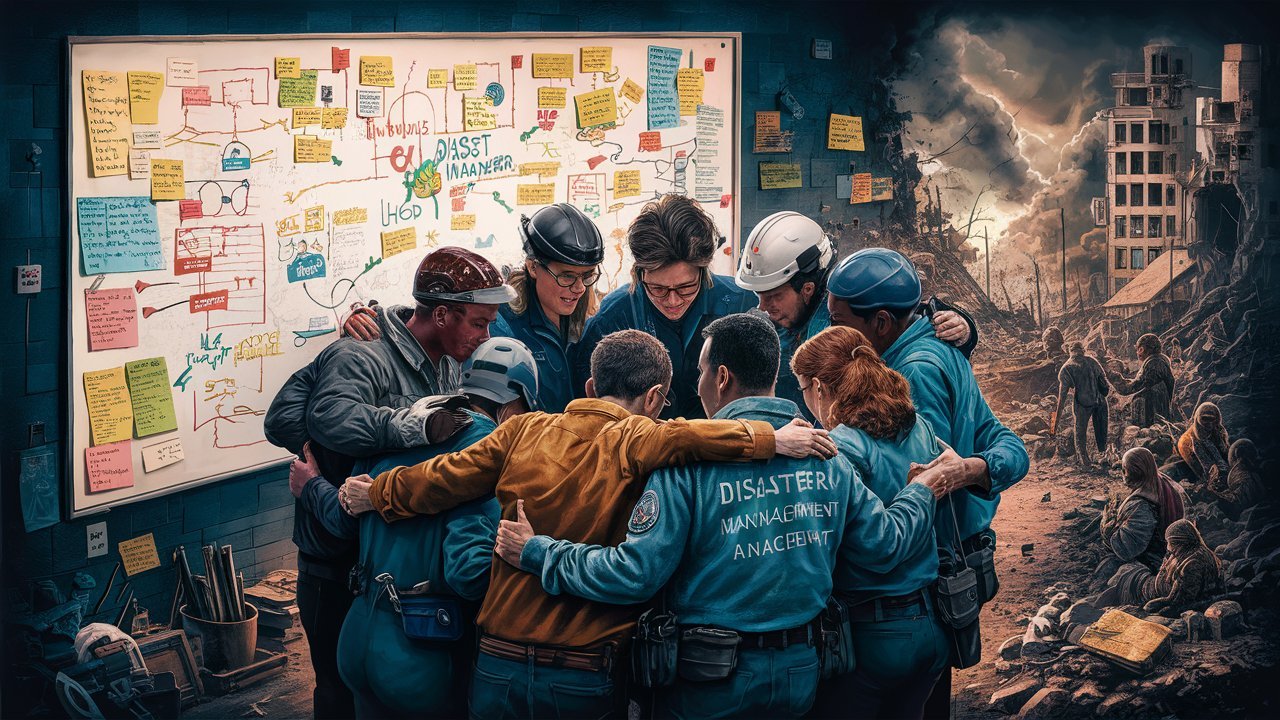
Disasters—whether natural or human-made—pose significant threats to communities, infrastructure, and economies. From floods and earthquakes to industrial accidents and public health crises, effective response depends largely on the preparedness and strength of the disaster management crew. These teams operate under immense pressure, making rapid decisions that save lives and reduce damage. Therefore, understanding how we can empower the disaster management crew is not just a theoretical discussion but a critical necessity for modern societies.
Empowering disaster response teams involves more than providing equipment. It requires comprehensive training, advanced technology integration, strong leadership structures, psychological support, and community collaboration. When these elements are aligned strategically, disaster management crews become more resilient, responsive, and effective in minimizing harm.
Strengthening Training and Skill Development
One of the most effective ways to how can we empower the disaster management crew is through continuous professional training and skill enhancement programs. Emergency situations evolve rapidly, and crews must remain adaptable. Advanced training in search and rescue operations, medical first aid, hazard identification, and crisis communication equips teams to respond confidently and competently. Regular simulation exercises that replicate real-world disaster scenarios improve reaction times and decision-making accuracy under pressure.
Moreover, cross-training between departments—such as firefighters, medical responders, law enforcement, and logistical coordinators—enhances operational coordination. When disaster management crews understand each other’s roles and responsibilities, response becomes seamless. Training should also incorporate technological literacy to ensure that teams can effectively use digital mapping tools, drones, communication systems, and real-time monitoring software during crises.
Integrating Advanced Technology for Efficient Response
Technology plays a transformative role in empowering disaster management teams. Modern emergency response relies heavily on early warning systems, satellite imaging, GPS tracking, data analytics, and artificial intelligence-driven forecasting tools. By integrating these technologies into disaster management frameworks, response teams can anticipate risks, allocate resources more effectively, and reduce response time significantly.
For instance, drone surveillance enables rapid damage assessment in areas inaccessible by road. Real-time data sharing platforms improve coordination between command centers and field personnel. Mobile communication devices equipped with secure channels ensure uninterrupted connectivity even in unstable conditions. Investing in advanced equipment and digital infrastructure directly enhances operational efficiency and situational awareness, empowering disaster management crews to act decisively.
Providing Adequate Resources and Equipment
Empowerment also requires ensuring that disaster management crews have access to high-quality equipment and sufficient resources. Protective gear, medical kits, emergency vehicles, communication tools, and temporary shelter supplies must be readily available and maintained regularly. Inadequate equipment compromises safety and reduces operational effectiveness.
Strategic resource planning ensures that supplies are pre-positioned in high-risk areas. This proactive approach reduces delays during emergencies. Governments and organizations must prioritize funding allocation to disaster preparedness programs, recognizing that investment in prevention and readiness significantly lowers long-term recovery costs.
Enhancing Leadership and Decision-Making Structures
Strong leadership is fundamental in crisis environments. Empowering disaster management crews requires establishing clear command hierarchies and transparent communication channels. Leaders must be trained in crisis management, conflict resolution, and rapid strategic assessment. Decisive leadership ensures coordinated efforts and minimizes confusion during high-pressure situations.
Encouraging decentralized decision-making within structured guidelines also strengthens response effectiveness. Field leaders who can adapt to on-ground realities without excessive bureaucratic delays contribute to faster and more efficient operations. Leadership development programs should emphasize resilience, ethical responsibility, and adaptive thinking.
Promoting Mental Health and Psychological Support
Disaster management personnel often face traumatic experiences that can impact their mental well-being. Long hours, exposure to distressing situations, and physical exhaustion can lead to burnout or post-traumatic stress. Empowerment must include mental health support systems, such as counseling services, peer support groups, and stress management programs.
Providing psychological resilience training helps crews cope with intense situations while maintaining operational focus. Organizations that prioritize mental well-being foster stronger, more sustainable teams capable of long-term service without emotional fatigue.
Strengthening Community Collaboration and Public Awareness
Empowering disaster management crews extends beyond internal strategies; it involves community participation. When communities are educated about disaster preparedness, evacuation protocols, and emergency communication systems, response teams operate more effectively. Public awareness campaigns, school programs, and community drills create informed citizens who can cooperate during crises.
Partnerships between government agencies, non-governmental organizations, and private sector entities enhance resource availability and logistical support. Community volunteers trained in basic emergency response skills act as force multipliers, supporting professional disaster management crews during large-scale events.
Developing Strategic Disaster Preparedness Plans
Long-term empowerment depends on structured disaster preparedness planning. Risk assessment studies, hazard mapping, and vulnerability analysis enable authorities to anticipate potential threats. Comprehensive disaster management frameworks should include prevention strategies, mitigation measures, response protocols, and recovery plans.
Regular evaluation and revision of disaster plans ensure that strategies remain relevant to evolving risks. Incorporating climate change projections, urban development patterns, and technological advancements strengthens preparedness. Strategic planning fosters resilience and ensures that disaster management crews operate within a well-defined and adaptable system.
Encouraging International Cooperation and Knowledge Sharing
Disasters do not recognize borders. International collaboration enhances learning and resource sharing. Countries can benefit from exchanging best practices, technological innovations, and operational strategies. Joint training exercises and global disaster response partnerships strengthen preparedness worldwide.
Participation in international forums allows disaster management crews to stay updated on emerging threats and advanced response methodologies. Collaborative frameworks increase capacity-building efforts and ensure global solidarity during large-scale crises.
Conclusion
How can we empower the disaster management crew requires a comprehensive and strategic approach that integrates advanced training, cutting-edge technology, adequate resources, strong leadership, mental health support, community collaboration, and long-term planning. Disaster response effectiveness depends not only on courage and dedication but also on preparation, coordination, and resilience.
When we invest in strengthening disaster management teams, we safeguard communities, reduce economic losses, and enhance societal stability. Empowerment transforms disaster management crews from reactive responders into proactive protectors capable of anticipating risks and mitigating damage efficiently. Building resilient disaster response systems is not optional; it is a responsibility that ensures a safer and more prepared future for all.
Frequently Asked Questions (FAQ)
Why is empowering the disaster management crew important?
Empowering disaster management crews improves response efficiency, reduces casualties, and enhances overall community resilience.
What are the key elements of disaster management crew empowerment?
Key elements include advanced training, modern technology integration, sufficient resources, strong leadership, mental health support, and community collaboration.
How does technology help disaster management teams?
Technology enhances early warning systems, improves communication, enables real-time monitoring, and supports rapid decision-making.
What role does community support play in disaster management?
Community awareness and cooperation improve evacuation efficiency, reduce panic, and assist emergency responders.
How can governments strengthen disaster preparedness?
Governments can allocate funding for equipment, invest in training programs, develop comprehensive disaster plans, and promote international collaboration.