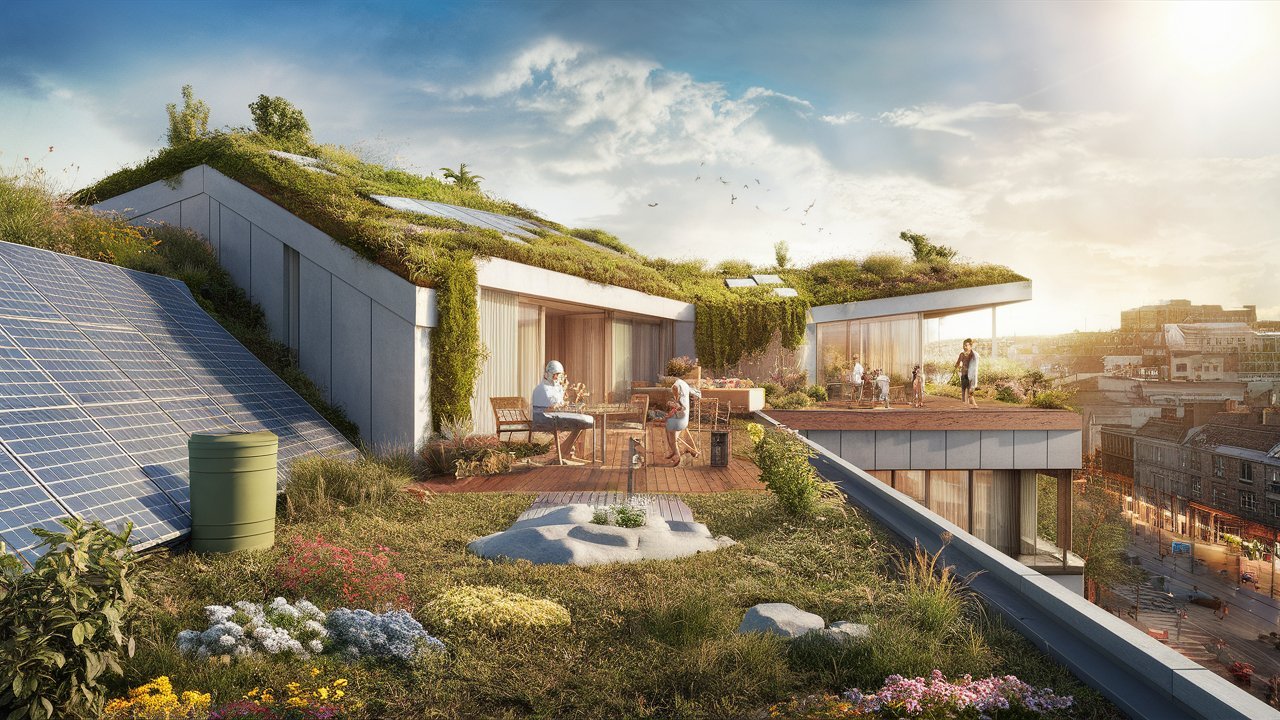
Living roof architecture has become one of the most influential innovations in sustainable building design, reshaping how cities interact with nature. Also known as green roofs, living roofs integrate vegetation, soil, and engineered systems directly into roof structures, transforming unused surfaces into functional ecological spaces. As urban density increases and environmental concerns grow, living roof architecture offers practical solutions for energy efficiency, stormwater management, biodiversity support, and aesthetic enhancement. This comprehensive article explores the principles, components, benefits, challenges, and future potential of living roof architecture, providing a detailed resource for architects, developers, planners, and environmentally conscious property owners.
What Is Living Roof Architecture
Living roof architecture refers to a construction approach in which rooftops are partially or completely covered with vegetation supported by layered systems designed for drainage, waterproofing, and structural stability. Unlike conventional roofs that primarily protect buildings from weather, living roofs actively contribute to environmental performance and occupant well-being.
This architectural concept blends engineering precision with ecological design, requiring careful planning to balance plant life, load-bearing capacity, and long-term maintenance. Living roof architecture represents a shift from passive building envelopes to active, regenerative surfaces.
Core Components of Living Roof Architecture
Structural and Waterproofing Systems
At the foundation of living roof architecture lies a robust structural system capable of supporting additional weight from soil, plants, and retained water. Waterproof membranes and root barriers are critical components, preventing moisture penetration and protecting the integrity of the building.
These systems are engineered to ensure durability while allowing the roof to function as a living ecosystem rather than a static surface.
Drainage and Growing Medium Layers
Effective drainage layers regulate water flow, preventing saturation while retaining sufficient moisture for plant health. Above this sits the growing medium, a specially designed lightweight soil that supports vegetation without placing excessive load on the structure.
This balance between drainage and retention is essential for the long-term success of living roof architecture.
Types of Living Roof Architecture
Extensive Living Roofs
Extensive living roof architecture features shallow soil depths and low-maintenance vegetation such as sedums and grasses. These roofs are lighter in weight and are commonly used in residential, commercial, and industrial buildings.
They prioritize environmental benefits such as insulation and stormwater control while requiring minimal upkeep.
Intensive Living Roofs
Intensive living roof architecture supports deeper soil layers and a wider variety of plants, including shrubs and small trees. These roofs function like rooftop gardens and often provide accessible recreational spaces.
While more demanding in terms of structural support and maintenance, intensive systems offer greater aesthetic and social value.
Environmental Benefits of Living Roof Architecture
Energy Efficiency and Thermal Regulation
One of the most significant advantages of living roof architecture is improved thermal performance. Vegetation and soil layers act as natural insulation, reducing heat gain in summer and heat loss in winter. This leads to lower energy consumption and reduced dependence on heating and cooling systems.
Over time, these energy savings contribute to reduced operational costs and a smaller carbon footprint.
Stormwater Management and Water Quality
Living roof architecture plays a critical role in managing stormwater runoff. Vegetation absorbs rainfall, while soil and drainage layers slow water release, reducing pressure on urban drainage systems.
This process also filters pollutants, improving water quality and helping cities mitigate flooding risks.
Urban Biodiversity and Air Quality
By introducing green spaces into built environments, living roof architecture supports biodiversity by providing habitats for birds, insects, and plant species. Additionally, vegetation captures airborne pollutants and produces oxygen, contributing to improved air quality in dense urban areas.
These ecological benefits extend beyond individual buildings, positively impacting entire neighborhoods.
Architectural and Aesthetic Value
Beyond environmental performance, living roof architecture enhances visual appeal and architectural identity. Green roofs soften hard urban landscapes, creating visually engaging structures that blend more harmoniously with natural surroundings.
Architects increasingly use living roofs as design features, integrating them into building forms to create iconic, sustainable landmarks that reflect environmental responsibility.
Economic and Long-Term Value
While initial installation costs for living roof architecture can be higher than traditional roofing systems, long-term economic benefits often outweigh upfront investment. Extended roof lifespan, reduced energy costs, and potential tax incentives contribute to favorable lifecycle economics.
Additionally, buildings with living roofs often experience increased property value and market appeal due to their sustainability credentials.
Challenges and Design Considerations
Successful living roof architecture requires careful planning and interdisciplinary collaboration. Structural assessments, plant selection, climate considerations, and maintenance planning are all essential factors. Poor design or installation can lead to drainage issues or plant failure.
However, when executed correctly, these challenges are manageable and do not outweigh the long-term advantages.
Living Roof Architecture in Urban Planning
Cities worldwide are incorporating living roof architecture into sustainability policies and building regulations. Green roof mandates and incentive programs encourage adoption as part of broader climate resilience strategies.
In dense urban centers, living roofs help compensate for limited ground-level green space, supporting healthier, more resilient cities.
Future Trends in Living Roof Architecture
The future of living roof architecture lies in technological integration and adaptive design. Innovations such as smart irrigation systems, modular green roof panels, and climate-responsive plant selection are expanding possibilities.
As sustainability becomes a central requirement rather than a design option, living roof architecture is expected to play an increasingly prominent role in global construction practices.
Conclusion
Living roof architecture represents a powerful intersection of design, engineering, and environmental stewardship. By transforming rooftops into living systems, this architectural approach delivers measurable ecological, economic, and social benefits. From energy efficiency and stormwater management to urban biodiversity and visual enhancement, living roofs redefine what buildings can contribute to their surroundings. As cities continue to evolve, living roof architecture stands as a forward-thinking solution that supports sustainable, resilient, and human-centered development.
Frequently Asked Questions (FAQ)
What is living roof architecture?
Living roof architecture is a building design approach that integrates vegetation and engineered systems into roof structures to create functional green spaces.
Are living roofs suitable for all buildings?
Most buildings can support living roof architecture with proper structural assessment and design adjustments, though system type depends on load capacity and climate.
How does living roof architecture improve energy efficiency?
Vegetation and soil layers provide natural insulation, reducing heating and cooling demands throughout the year.
Do living roofs require high maintenance?
Maintenance levels depend on the system type. Extensive roofs require minimal upkeep, while intensive roofs need regular gardening and monitoring.
Why is living roof architecture important for cities?
Living roof architecture helps cities manage stormwater, reduce heat island effects, improve air quality, and increase green space in dense urban environments.