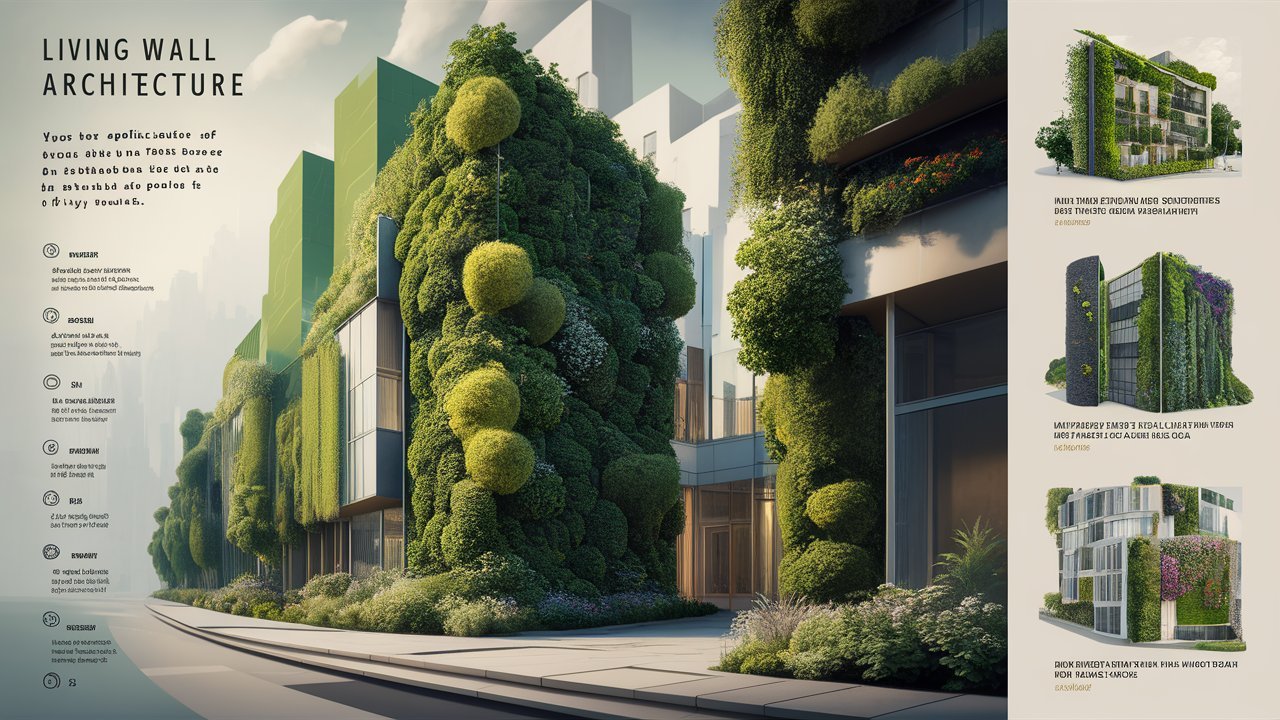
Living wall architecture has rapidly become a defining element of contemporary sustainable design, reshaping how buildings interact with natural systems in dense urban environments. Also known as green walls or vertical gardens, living walls integrate vegetation directly into building facades and interior surfaces, transforming vertical planes into functional ecological assets. As cities face challenges such as air pollution, rising temperatures, and limited ground-level green space, living wall architecture offers a visually striking and environmentally responsible solution. This in-depth article explores the principles, systems, advantages, design considerations, and future potential of living wall architecture, providing a comprehensive resource for architects, developers, and sustainability-focused designers.
What Is Living Wall Architecture
Living wall architecture refers to the integration of plant life into vertical building surfaces through engineered support systems that provide irrigation, nutrients, and structural stability. Unlike traditional climbing plants, modern living walls are carefully designed systems that allow vegetation to thrive independently of soil at ground level.
This architectural approach transforms walls into living infrastructure, enhancing both environmental performance and spatial experience. Living wall architecture represents a shift from decorative greenery to fully integrated ecological design.
Core Systems in Living Wall Architecture
Modular Living Wall Systems
Modular living wall architecture uses prefabricated panels or containers that hold plants and growing media. These systems are widely used due to their flexibility, ease of installation, and adaptability to different building types. Individual modules can be replaced or rearranged, making maintenance more efficient.
Modular systems allow designers to create intricate patterns and plant compositions while ensuring structural consistency.
Continuous Living Wall Systems
Continuous living wall architecture involves a seamless planting surface supported by layered membranes and irrigation systems. These installations often create dramatic visual impact and are commonly used in high-profile commercial or cultural buildings.
While visually impressive, continuous systems require precise engineering and long-term maintenance planning.
Environmental Benefits of Living Wall Architecture
Air Quality Improvement and Pollution Reduction
One of the most significant benefits of living wall architecture is its ability to improve air quality. Plants absorb carbon dioxide and airborne pollutants while releasing oxygen, helping mitigate urban air pollution. In interior environments, living walls also contribute to healthier indoor air quality.
This function is especially valuable in cities where building density limits natural air circulation.
Thermal Regulation and Energy Efficiency
Living wall architecture contributes to thermal regulation by insulating building envelopes. Vegetation shades walls from direct sunlight, reducing heat gain in warm climates, while also providing an additional insulation layer during cooler periods.
These thermal benefits translate into reduced energy consumption and improved indoor comfort.
Aesthetic and Psychological Impact
Beyond environmental performance, living wall architecture significantly enhances aesthetic appeal. Vertical greenery introduces texture, color, and organic movement into built spaces, softening rigid architectural forms. Living walls create visually engaging environments that elevate the identity of buildings and public spaces.
Research also indicates that exposure to greenery improves mental well-being, reduces stress, and enhances productivity, making living walls valuable in workplaces, healthcare facilities, and educational institutions.
Structural and Design Considerations
Successful living wall architecture requires careful coordination between architects, engineers, and horticultural specialists. Structural support, load calculations, waterproofing, and irrigation systems must be meticulously planned to prevent moisture damage and ensure plant longevity.
Plant selection is equally critical, as species must be suited to light exposure, climate conditions, and maintenance capacity. These considerations ensure that living wall architecture remains sustainable rather than decorative alone.
Living Wall Architecture in Urban Environments
In dense cities, living wall architecture provides an effective way to introduce greenery where horizontal space is limited. Vertical green surfaces help mitigate the urban heat island effect, enhance visual quality, and contribute to environmental resilience.
Municipalities increasingly encourage living walls through sustainability incentives and green building certifications, recognizing their role in climate-responsive urban design.
Economic Value and Long-Term Performance
While initial installation costs for living wall architecture can be substantial, long-term benefits often justify the investment. Improved building performance, extended facade lifespan, and enhanced property value contribute to favorable returns.
Additionally, buildings featuring living walls often attract positive public perception and increased occupancy rates due to their sustainability appeal.
Future Trends in Living Wall Architecture
The future of living wall architecture lies in innovation and integration. Advances in smart irrigation, sensor-based monitoring, and modular construction are making living walls more efficient and accessible. Designers are also exploring edible plant systems and biodiversity-focused installations that extend ecological impact.
As sustainability becomes central to architectural practice, living wall architecture is expected to play a prominent role in shaping greener cities.
Conclusion
Living wall architecture represents a powerful evolution in sustainable building design, transforming vertical surfaces into living, functional systems. By improving air quality, enhancing energy efficiency, and elevating visual and psychological well-being, living walls redefine the role of architecture in urban ecosystems. As technology and environmental awareness continue to advance, living wall architecture stands as a compelling solution for creating healthier, more resilient built environments.
Frequently Asked Questions (FAQ)
What is living wall architecture?
Living wall architecture is the integration of vegetation into vertical building surfaces using engineered systems that support plant growth and environmental performance.
Are living walls suitable for indoor spaces?
Yes, living wall architecture is widely used indoors to improve air quality, enhance aesthetics, and create healthier environments.
How does living wall architecture affect building energy use?
Living walls provide insulation and shading, reducing heating and cooling demands and improving overall energy efficiency.
Do living walls require significant maintenance?
Maintenance depends on the system and plant selection, but modern living wall architecture is designed for manageable, scheduled upkeep.
Why is living wall architecture important for modern cities?
Living wall architecture addresses urban challenges such as limited green space, air pollution, and heat island effects while enhancing architectural quality.