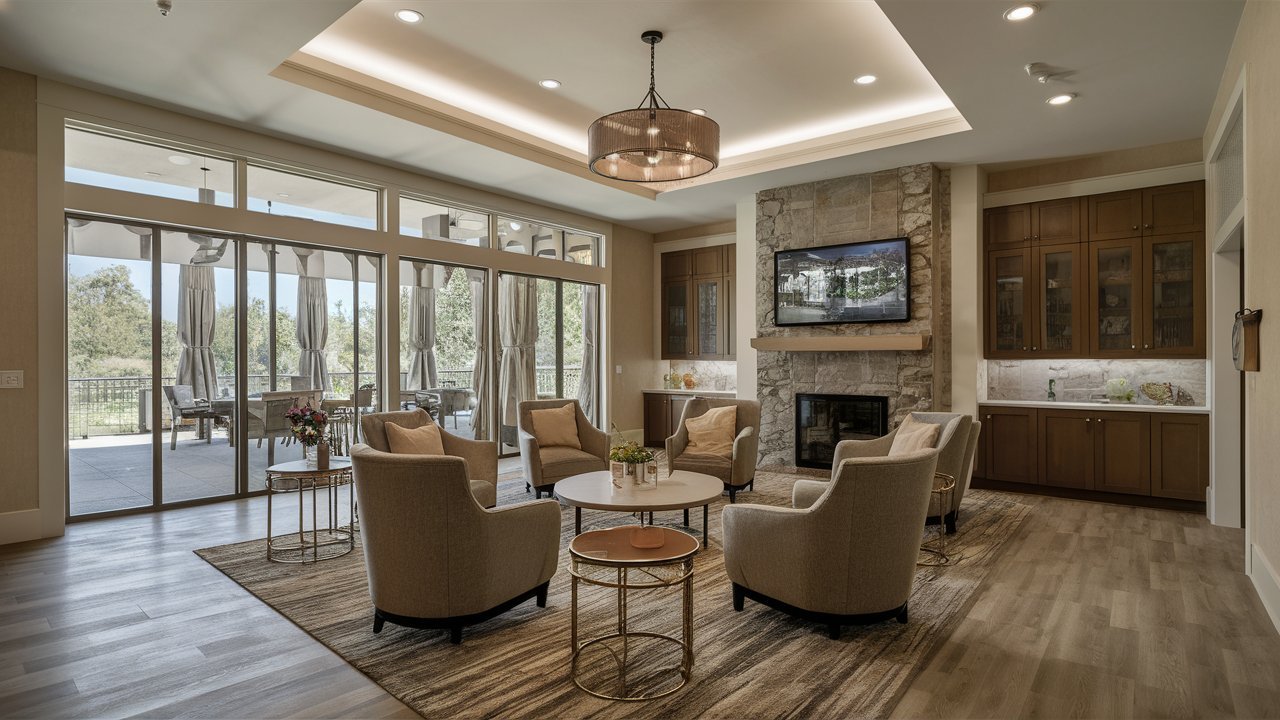
Senior living architecture design is a specialized discipline that focuses on creating residential spaces tailored to the unique physical, emotional, and social needs of older adults. As the global population ages, there is a growing need for thoughtfully designed communities that promote safety, independence, comfort, and social engagement. Unlike conventional residential design, senior living architecture requires careful consideration of mobility, accessibility, healthcare integration, and community interaction. By combining functional design with aesthetic appeal, these environments enhance the quality of life for residents while supporting caregivers, staff, and families. This article explores the key principles, strategies, and emerging trends shaping senior living architecture design today.
Principles of Senior Living Architecture Design
The foundation of senior living architecture design lies in prioritizing accessibility, safety, and comfort. Designers focus on features such as wide corridors, step-free entrances, non-slip flooring, and easy-to-read signage to ensure that residents with mobility or sensory limitations can navigate the space confidently. Lighting, acoustics, and visual contrast are carefully considered to support vision and hearing impairments. Beyond functional considerations, the design emphasizes comfort and warmth through inviting communal areas, natural light, and ergonomic furniture, creating environments that are both practical and welcoming.
Designing for Independence and Support
A key challenge in senior living architecture design is balancing independence with available support. Residents require spaces that allow them to move freely and maintain autonomy while ensuring that assistance is readily accessible when needed. This balance is achieved through thoughtful zoning of private living spaces, semi-private shared areas, and staff support stations. Modern design often incorporates technology, such as emergency call systems, motion sensors, and monitoring devices, to provide additional safety without compromising privacy. These strategies empower residents to live independently while providing peace of mind for families and staff.
Social and Community Spaces
Social interaction is critical for the emotional and mental well-being of older adults, making community-focused design essential in senior living architecture. Spaces such as lounges, dining areas, libraries, fitness rooms, and gardens encourage residents to engage with one another, fostering a sense of belonging and connection. Outdoor areas with walking paths, seating zones, and greenery support both physical activity and relaxation. Thoughtful layout and placement of these areas help create vibrant, interactive communities where residents can socialize, pursue hobbies, and participate in group activities.
Memory Care and Specialized Design
Senior living communities often include memory care units for residents with Alzheimer’s or other forms of dementia. These specialized environments are designed to support cognitive function, orientation, and safety. Features such as simplified layouts, color-coded hallways, secure outdoor spaces, and sensory-stimulating elements reduce confusion and anxiety. Memory care design emphasizes both safety and quality of life, allowing residents to maintain routines, explore spaces safely, and engage meaningfully with their surroundings.
Incorporating Therapeutic and Sustainable Design
Modern senior living architecture design increasingly integrates therapeutic and sustainable elements. Natural light, indoor plants, and outdoor views have been shown to improve mood, cognitive function, and overall well-being. Eco-friendly materials, energy-efficient systems, and ventilation improve indoor air quality and reduce environmental impact. By combining sustainability with wellness-focused design, senior living communities create restorative environments that are both environmentally responsible and beneficial to residents’ physical and mental health.
Technological Integration in Design
Technology plays a vital role in contemporary senior living architecture design. Smart home systems, wearable health monitors, automated lighting and climate controls, and communication tools enhance convenience, safety, and connectivity. These technologies allow residents to maintain independence while providing caregivers with tools to monitor health and well-being effectively. When implemented thoughtfully, technology becomes an invisible support system that enhances daily life rather than dominating it.
Trends in Senior Living Architecture Design
Emerging trends in senior living architecture design include multi-generational communities, flexible living spaces, wellness-focused layouts, and biophilic design principles. Designers are moving away from institutional aesthetics, instead creating environments that feel home-like, warm, and personalized. There is a growing emphasis on integrating fitness facilities, communal dining experiences, creative spaces, and outdoor recreational areas. These trends demonstrate that senior living design is evolving to meet the diverse preferences and lifestyles of today’s aging population.
Conclusion
Senior living architecture design is a multidimensional approach that addresses the physical, emotional, and social needs of older adults. By focusing on accessibility, safety, comfort, community, and technological integration, designers create environments that empower residents to live independently while fostering social connection and well-being. Thoughtful design ensures that senior living communities are not just functional but also welcoming, restorative, and engaging, reflecting a commitment to quality of life and dignity for older adults.