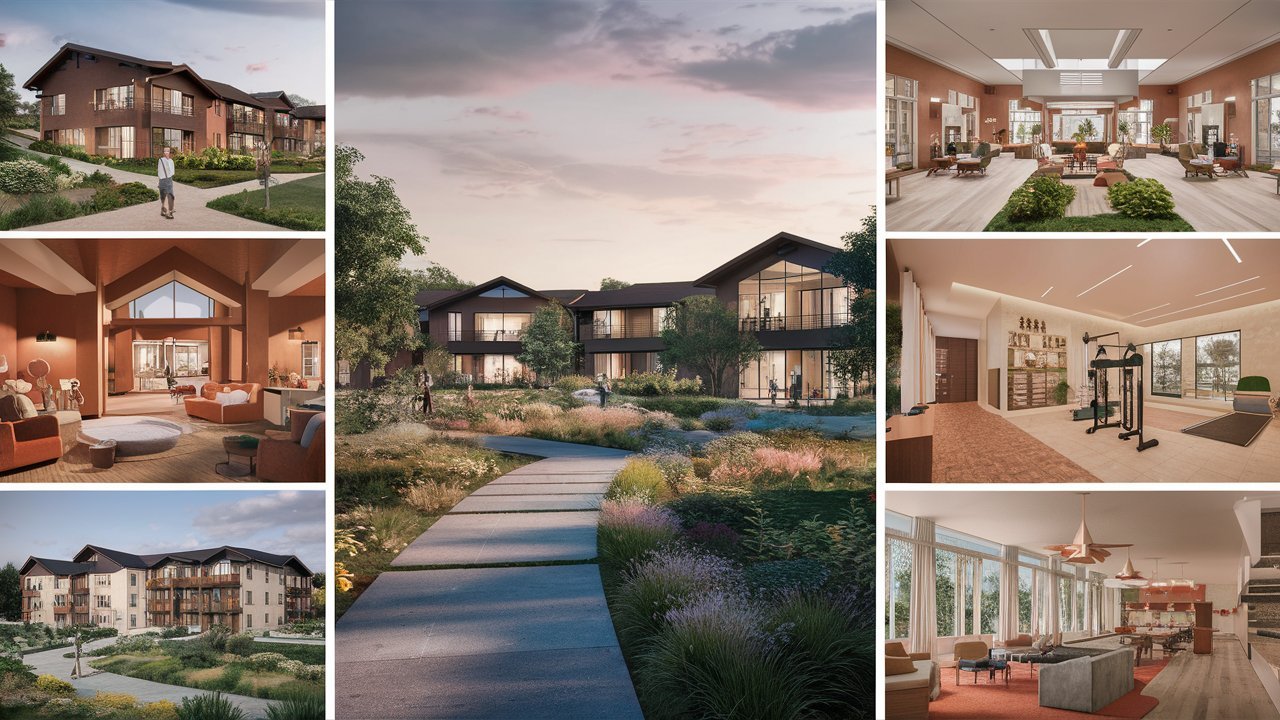
Senior living architecture is a specialized field focused on creating residential environments that cater to the physical, emotional, and social needs of older adults. As populations age globally, the demand for thoughtfully designed senior living spaces—ranging from independent living communities to assisted living facilities and memory care units—has increased significantly. Effective senior living architecture combines safety, accessibility, aesthetics, and social connectivity, ensuring that residents not only live comfortably but thrive in environments that promote well-being, independence, and dignity. This article explores the principles, challenges, and innovations shaping the design of senior living communities today.
Key Principles of Senior Living Design
Designing for seniors requires careful attention to accessibility, safety, and comfort. Architectural elements such as wide hallways, step-free entrances, non-slip flooring, and easily navigable layouts reduce the risk of accidents and enhance mobility for residents with limited physical capabilities. Lighting, acoustics, and visual cues are also essential considerations, as many older adults face sensory changes. Beyond safety, senior living architecture emphasizes comfort through ergonomically designed furniture, temperature control, and cozy communal spaces, creating environments that are both functional and inviting.
Balancing Independence and Assistance
A central challenge in senior living architecture is balancing independence with available support. Facilities must provide residents with the freedom to navigate their surroundings and maintain autonomy, while ensuring help is readily accessible if needed. This is achieved through thoughtful zoning, with private living areas complemented by semi-private communal spaces and staff support stations. Technological integration, such as call systems and smart monitoring, further enables independent living while providing peace of mind for residents and their families.
Community and Social Spaces
Social interaction is vital for mental and emotional well-being, making communal and recreational areas a cornerstone of senior living architecture. Dining rooms, lounges, gardens, fitness centers, and hobby spaces encourage engagement, reducing feelings of isolation and fostering a sense of belonging. Designers often incorporate natural elements, sunlight, and outdoor walking paths to promote movement, relaxation, and positive social experiences. Such spaces are not just functional—they are instrumental in creating vibrant, supportive communities.
Memory Care and Specialized Environments
Senior living architecture often includes specialized facilities such as memory care units designed for residents with Alzheimer’s or other forms of dementia. These spaces prioritize safety, orientation, and cognitive stimulation. Features may include color-coded hallways, secure outdoor areas, simplified layouts, and sensory-friendly environments that reduce confusion and anxiety. Attention to detail in these designs significantly improves quality of life, allowing residents to navigate daily routines with confidence and dignity.
Sustainable and Therapeutic Design
Modern senior living architecture increasingly integrates sustainable practices and therapeutic design elements. Eco-friendly materials, energy-efficient systems, and natural ventilation enhance the environmental quality of buildings. Therapeutic design incorporates biophilic elements such as indoor plants, natural light, and views of nature, which have been shown to reduce stress and improve cognitive and emotional health. These principles create spaces that are both environmentally responsible and restorative for residents.
Technological Integration in Senior Living
Technology plays a growing role in senior living environments. Smart home systems, wearable health monitors, and automated lighting and climate controls allow residents to maintain independence while ensuring safety. Additionally, technology supports communication with families and healthcare providers, creating connected communities that extend care beyond the physical facility. Thoughtful integration ensures that technological features are intuitive and unobtrusive, enhancing rather than complicating daily life.
Architectural Trends in Senior Living
Emerging trends in senior living architecture focus on personalization, flexibility, and inclusivity. Multi-generational communities, modular living units, and adaptable spaces accommodate changing needs over time. Designers are prioritizing aesthetic appeal alongside functionality, creating environments that feel less institutional and more like home. Emphasis on wellness, fitness, and social connectivity continues to drive innovation, ensuring that senior living communities are places where residents can lead fulfilling and active lives.
Conclusion
Senior living architecture is a dynamic and essential field that combines safety, accessibility, and design innovation to support the aging population. By addressing physical, social, and emotional needs, architects and designers create environments that empower older adults, foster community, and enhance quality of life. Thoughtful senior living spaces demonstrate that aging does not mean compromising on comfort, dignity, or beauty, and that well-designed architecture can significantly improve the lives of residents and their families.