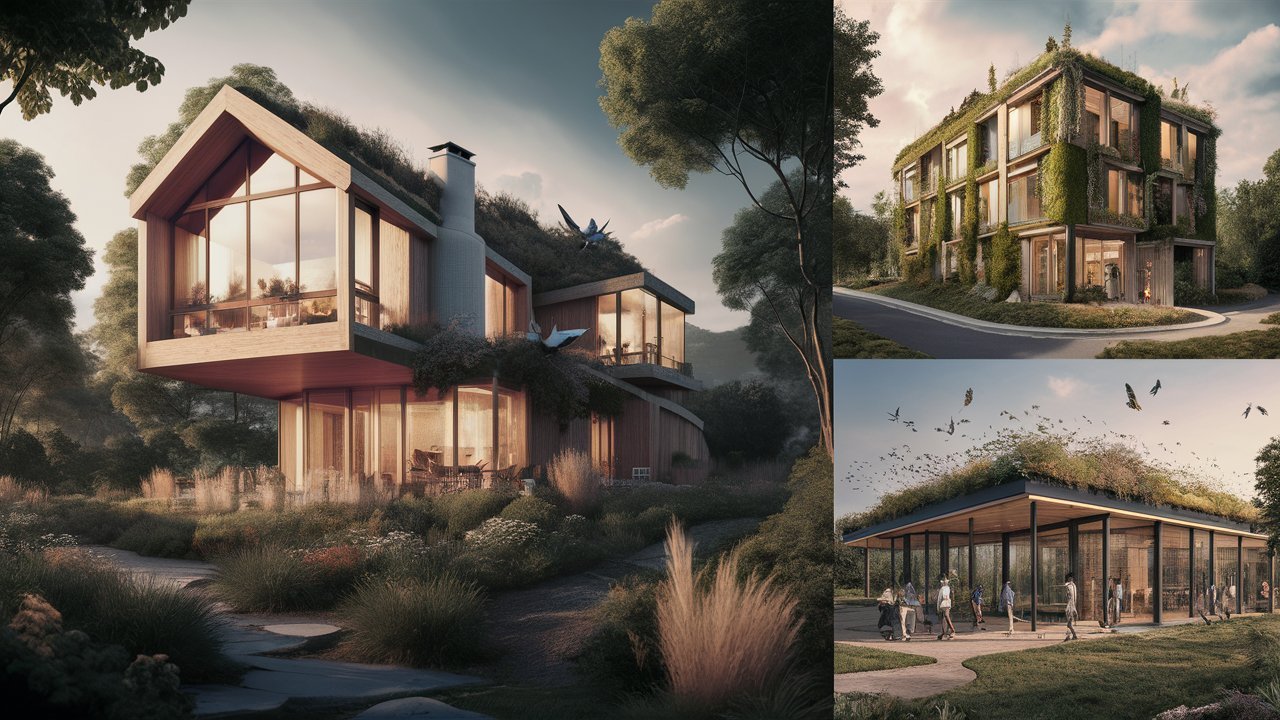
Three living architecture is an emerging design philosophy that reframes how buildings are conceived, constructed, and experienced. Rather than treating structures as static objects, this approach views architecture as a dynamic system shaped by three interdependent dimensions of “living”: the living environment, the living building, and the living human experience. As cities confront climate change, resource constraints, and evolving social needs, three living architecture provides a comprehensive framework for creating spaces that are resilient, adaptive, and deeply connected to nature and people. This article delivers a full-length, in-depth exploration of three living architecture, detailing its principles, applications, benefits, and future potential.
What Is Three Living Architecture
Three living architecture is a holistic design concept that integrates environmental sustainability, biological responsiveness, and human well-being into a single architectural strategy. The term “three living” refers to three core layers that must coexist in balance: living with nature, living structures, and living communities. Together, these layers redefine architecture as an active participant in ecological and social systems rather than a passive shelter.
This approach emphasizes systems thinking, long-term performance, and adaptability, ensuring that buildings evolve alongside environmental conditions and human needs.
Living with Nature in Three Living Architecture
Environmental Integration and Ecological Balance
The first pillar of three living architecture focuses on living with nature. Buildings designed under this principle respond directly to their climate, landscape, and ecosystems. Passive solar orientation, natural ventilation, rainwater harvesting, and the integration of green roofs and living walls are common strategies that reduce environmental impact while enhancing performance.
By aligning architecture with natural cycles, three living architecture minimizes energy consumption, reduces emissions, and supports biodiversity, creating structures that coexist harmoniously with their surroundings.
Living Structures in Three Living Architecture
Adaptive, Responsive Building Systems
The second pillar of three living architecture centers on living structures. These are buildings designed to adapt over time through flexible layouts, modular construction, and responsive technologies. Smart facades, adjustable shading systems, and sensor-driven climate controls allow structures to respond to changing environmental conditions and user behaviors.
Living structures extend a building’s lifespan by enabling modification rather than demolition, supporting sustainability through adaptability and resilience.
Living Human Experience in Three Living Architecture
Human-Centered Design and Well-Being
The third and most critical component of three living architecture is the living human experience. This dimension prioritizes comfort, health, and psychological well-being. Natural light, biophilic elements, acoustic comfort, and spatial flexibility are integral to creating environments that support productivity, relaxation, and social interaction.
By designing for how people actually live, work, and connect, three living architecture transforms buildings into supportive environments that enhance quality of life rather than merely enclosing space.
Design Principles Behind Three Living Architecture
Integration, Balance, and Longevity
At its core, three living architecture is guided by integration rather than isolation. Environmental systems, structural design, and human experience are developed simultaneously to ensure balance. Materials are chosen for durability, low environmental impact, and sensory quality, while layouts are designed to evolve with changing needs.
Longevity is a defining goal, with buildings intended to remain relevant, efficient, and meaningful for decades.
Applications of Three Living Architecture
Residential Design
In housing, three living architecture supports healthier lifestyles through natural ventilation, access to greenery, and adaptable interiors. Homes become environments that respond to family growth, climate conditions, and lifestyle changes without sacrificing comfort or sustainability.
Commercial and Workplace Environments
In offices and commercial spaces, three living architecture improves employee well-being and operational efficiency. Flexible workspaces, daylight optimization, and energy-responsive systems enhance productivity while reducing operational costs.
Urban and Public Architecture
At the urban scale, three living architecture contributes to resilient cities. Mixed-use developments, public buildings, and community spaces designed under this framework foster social connection, reduce environmental strain, and adapt to population changes.
Benefits of Three Living Architecture
Environmental Performance and Sustainability
Three living architecture significantly reduces environmental impact through energy efficiency, resource conservation, and ecosystem integration. Buildings become contributors to sustainability goals rather than sources of depletion.
Economic and Lifecycle Value
While initial design may require thoughtful investment, the long-term value of three living architecture is substantial. Reduced energy costs, lower maintenance needs, and extended building lifespans result in favorable lifecycle economics.
Social and Cultural Impact
By prioritizing human experience and community interaction, three living architecture strengthens social cohesion and cultural relevance, making spaces more meaningful and inclusive.
Challenges and Considerations
Implementing three living architecture requires interdisciplinary collaboration and careful planning. Designers must coordinate environmental engineers, technologists, and social researchers to ensure balance across all three living dimensions. However, these challenges are outweighed by the long-term resilience and performance benefits achieved.
The Future of Three Living Architecture
As sustainability standards rise and human-centered design becomes a priority, three living architecture is poised to shape the future of the built environment. Advances in smart technology, material science, and ecological design will further enhance its adaptability and accessibility.
Cities that adopt this framework will be better equipped to respond to climate challenges, population growth, and evolving lifestyles.
Conclusion
Three living architecture represents a transformative approach to design that aligns buildings with nature, technology, and human life. By integrating living environments, living structures, and living experiences, this architectural philosophy creates spaces that are resilient, adaptive, and deeply humane. As the demand for sustainable and meaningful architecture grows, three living architecture stands as a powerful blueprint for the future of the built world.
Frequently Asked Questions (FAQ)
What is three living architecture?
Three living architecture is a holistic design approach that integrates environmental sustainability, adaptive building systems, and human well-being into a unified architectural framework.
How is three living architecture different from sustainable architecture?
While sustainable architecture focuses primarily on environmental performance, three living architecture expands the scope to include adaptability and human experience as equally important components.
Is three living architecture suitable for urban development?
Yes, it is particularly effective in urban environments where adaptability, resource efficiency, and human-centered design are essential.
Does three living architecture increase construction costs?
Initial planning may be more detailed, but long-term savings through efficiency, durability, and adaptability often outweigh upfront costs.
Why is three living architecture important for the future?
Three living architecture addresses environmental, social, and technological challenges simultaneously, making it a resilient and forward-looking solution for modern cities and communities.