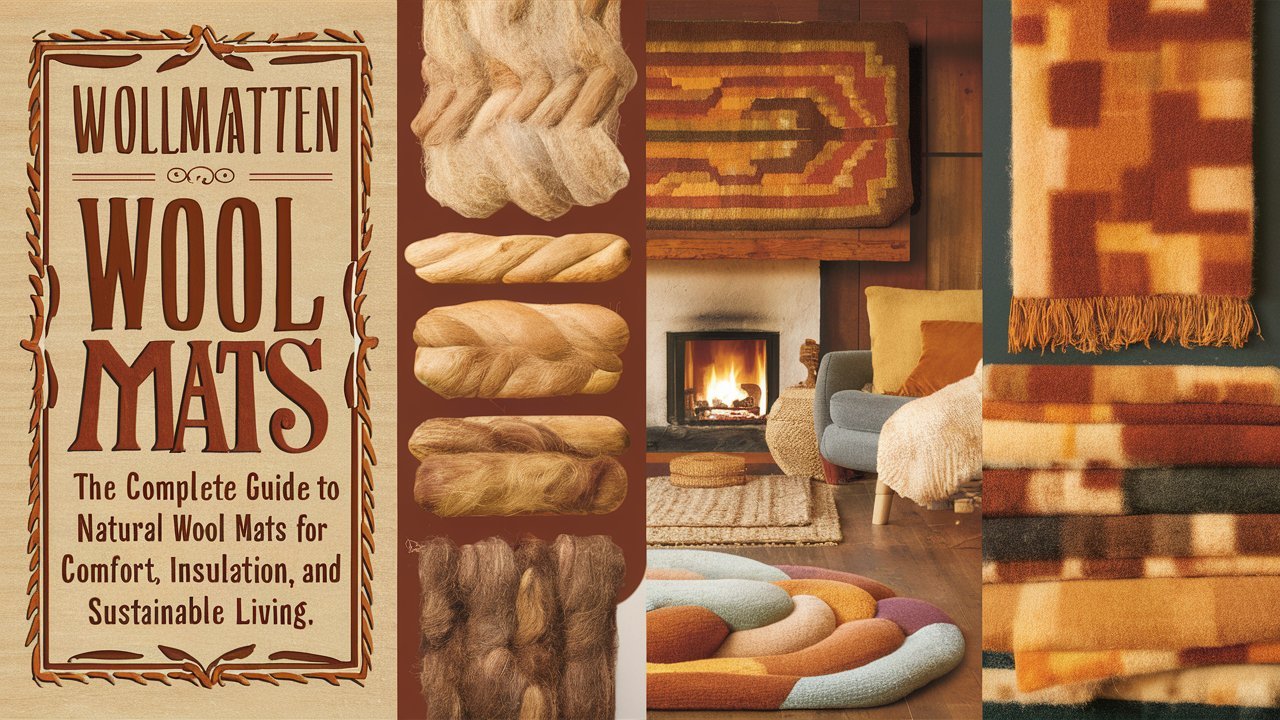
Wollmatten, commonly known as wool mats, have gained increasing attention among homeowners, designers, architects, and environmentally conscious consumers. We see wollmatten valued not only for their natural beauty but also for their exceptional functional properties. Made primarily from sheep’s wool, wollmatten represent a perfect balance between traditional craftsmanship and modern sustainability needs. As people search for healthier indoor materials, energy-efficient solutions, and eco-friendly alternatives, wollmatten stand out as a premium and practical choice across residential, commercial, and industrial environments.
What Are Wollmatten and How They Are Made
Wollmatten are mats or panels produced from natural wool fibers that are processed through techniques such as felting, weaving, or compressing. We understand that high-quality wollmatten begin with carefully selected wool, which is cleaned, carded, and shaped into dense, durable forms. This manufacturing process preserves the wool’s natural structure, allowing the mat to retain its insulating, moisture-regulating, and resilient characteristics. Unlike synthetic mats, wollmatten rely on renewable raw materials and minimal chemical processing.
The Natural Properties of Wollmatten
Thermal Insulation
One of the most significant advantages of wollmatten is their outstanding thermal insulation. Wool fibers naturally trap air, creating an effective barrier against cold and heat. We observe that wollmatten help maintain stable indoor temperatures, making living and working spaces more comfortable while reducing energy consumption.
Sound Absorption
Wollmatten also provide excellent acoustic insulation. Their dense fiber structure absorbs sound waves, reducing echo and noise transmission. We often see wollmatten used in offices, studios, and residential spaces where noise control is essential for comfort and productivity.
Moisture Regulation
Wool can absorb moisture without feeling damp, releasing it gradually back into the air. We recognize this property as particularly valuable in maintaining a healthy indoor climate. Wollmatten contribute to balanced humidity levels, reducing the risk of mold and condensation.
Environmental Benefits of Wollmatten
Sustainability is a key reason behind the growing popularity of wollmatten. Wool is a renewable, biodegradable resource, making wollmatten an environmentally responsible choice. We emphasize that wool production has a lower environmental impact compared to petroleum-based synthetic materials. At the end of their lifecycle, wollmatten naturally decompose without releasing harmful microplastics, supporting circular economy principles.
Uses of Wollmatten in Modern Living
Wollmatten for Flooring
As floor mats or underlays, wollmatten offer warmth, comfort, and durability. We see them commonly used under carpets, rugs, or as standalone mats in living rooms, bedrooms, and hallways. Their resilience allows them to withstand foot traffic while maintaining shape and performance.
Wollmatten for Insulation
In construction and renovation, wollmatten are used as natural insulation materials for walls, roofs, and floors. We value their ability to combine thermal insulation with breathability, which helps protect building structures while enhancing energy efficiency.
Wollmatten in Furniture and Bedding
Wollmatten are also incorporated into mattresses, mattress toppers, and seating. We recognize their pressure-relieving qualities and temperature regulation as key benefits for sleep comfort and ergonomic support.
Wollmatten for Outdoor and Specialized Use
Certain wollmatten are treated for outdoor or agricultural applications, such as frost protection for plants or cushioning for equipment. We note that wool’s natural resistance to dirt and its insulating properties make it suitable for these specialized uses.
Health and Comfort Advantages of Wollmatten
Wollmatten contribute to healthier indoor environments. Wool naturally resists dust mites, bacteria, and odors, making it ideal for allergy-sensitive households. We appreciate that wollmatten do not emit volatile organic compounds, unlike many synthetic alternatives. Their softness and elasticity provide superior comfort underfoot and in resting applications.
Durability and Longevity of Wollmatten
Despite being a natural material, wollmatten are remarkably durable. Wool fibers can bend thousands of times without breaking, allowing wollmatten to retain structure over many years. We find that with proper care, wollmatten maintain their appearance and performance far longer than many synthetic mats, making them a cost-effective long-term investment.
Maintenance and Care of Wollmatten
Maintaining wollmatten is straightforward. Regular airing, gentle vacuuming, and spot cleaning are usually sufficient. Wool’s natural lanolin content repels dirt and stains, reducing the need for harsh cleaning chemicals. We recommend avoiding excessive moisture and using mild, wool-safe cleaning methods to preserve fiber integrity.
Why Wollmatten Are Ideal for Sustainable Architecture
In sustainable building design, wollmatten play a significant role. We see architects and designers selecting wollmatten for their low embodied energy, recyclability, and contribution to indoor comfort. Their ability to regulate temperature and humidity aligns perfectly with energy-efficient and passive building standards.
Choosing the Right Wollmatten
Selecting the right wollmatten depends on intended use, density, thickness, and processing method. We advise considering whether the application requires insulation, cushioning, sound absorption, or decorative appeal. High-quality wollmatten should have consistent fiber density, minimal chemical treatment, and clear sourcing information.
Future Trends in Wollmatten
The demand for natural materials continues to grow, and wollmatten are positioned at the forefront of this trend. We anticipate increased innovation in wool processing, improved fire resistance through natural treatments, and expanded applications in green construction and interior design. Wollmatten are becoming a symbol of responsible consumption and timeless functionality.
Conclusion
Wollmatten offer a rare combination of comfort, performance, and sustainability. We recognize their value as natural wool mats that enhance indoor environments through insulation, sound absorption, moisture regulation, and health benefits. Whether used for flooring, insulation, furniture, or specialized applications, wollmatten provide long-lasting value while supporting environmentally conscious living. Their natural origin, durability, and versatility make wollmatten an excellent choice for modern homes and professional spaces alike.
Frequently Asked Questions (FAQ)
What are wollmatten made of?
Wollmatten are made from natural sheep’s wool that is processed through felting, weaving, or compression.
Are wollmatten environmentally friendly?
Yes, wollmatten are biodegradable, renewable, and have a lower environmental impact compared to synthetic mats.
Can wollmatten be used for insulation?
Wollmatten are widely used for thermal and acoustic insulation in buildings due to their excellent natural properties.
Are wollmatten suitable for allergy sufferers?
Wool naturally resists dust mites and bacteria, making wollmatten suitable for many allergy-sensitive environments.
How long do wollmatten last?
With proper care, wollmatten can last many years while maintaining their structure and performance.